Cristine Balarine, submitted artwork
Cristine Balarine
Painting
Sicily, Italy
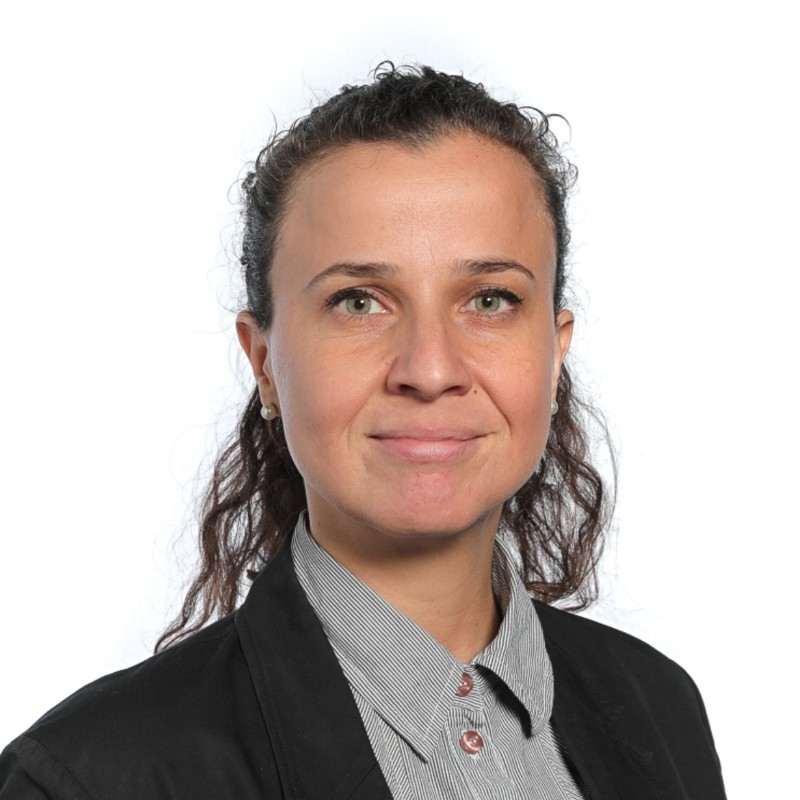
Cristine Balarine is a contemporary Brazilian artist based in the Aeolian Islands, Sicily. With a Master’s degree in Architecture from The Bartlett, UCL, and a foundation in Florentine Renaissance art history, her multidisciplinary background informs a practice grounded in abstraction, material exploration, and spatial deconstruction. Drawing on her Indigenous, African, and European heritage, Balarine’s work examines the entangled relationship between land, memory, and identity—interrogating the legacies of diaspora and the psychological imprint of architectural frameworks and altered ecologies. Her collaborative practice spans visual art and performance, often engaging with musicians and DJs to create cross-disciplinary installations and live interventions. Balarine’s work has been presented internationally, including a charity exhibition and auction at Sotheby’s London in 2024, curated by Dr. Madeleine Haddon of the Victoria and Albert Museum. A finalist in both the London and Florence Biennials in 2023, she has also participated in international art events such as World Art Dubai and Saatchi Art’s The Other Art Fair. Her solo exhibitions have been showcased at the Lighthouse Museum in Sicily and at her artist-led gallery in the Aeolian Islands. As an architect, Balarine contributed to major cultural projects, including her role as associate architect at the €600 million Zayed National Museum in Abu Dhabi, a collaboration between the British Museum and Lord Norman Foster.
Works
Cristine Balarine, submitted artwork
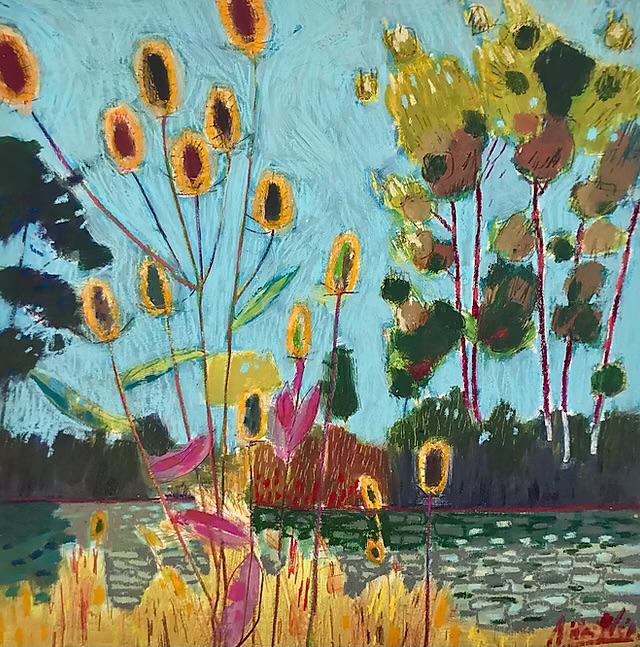
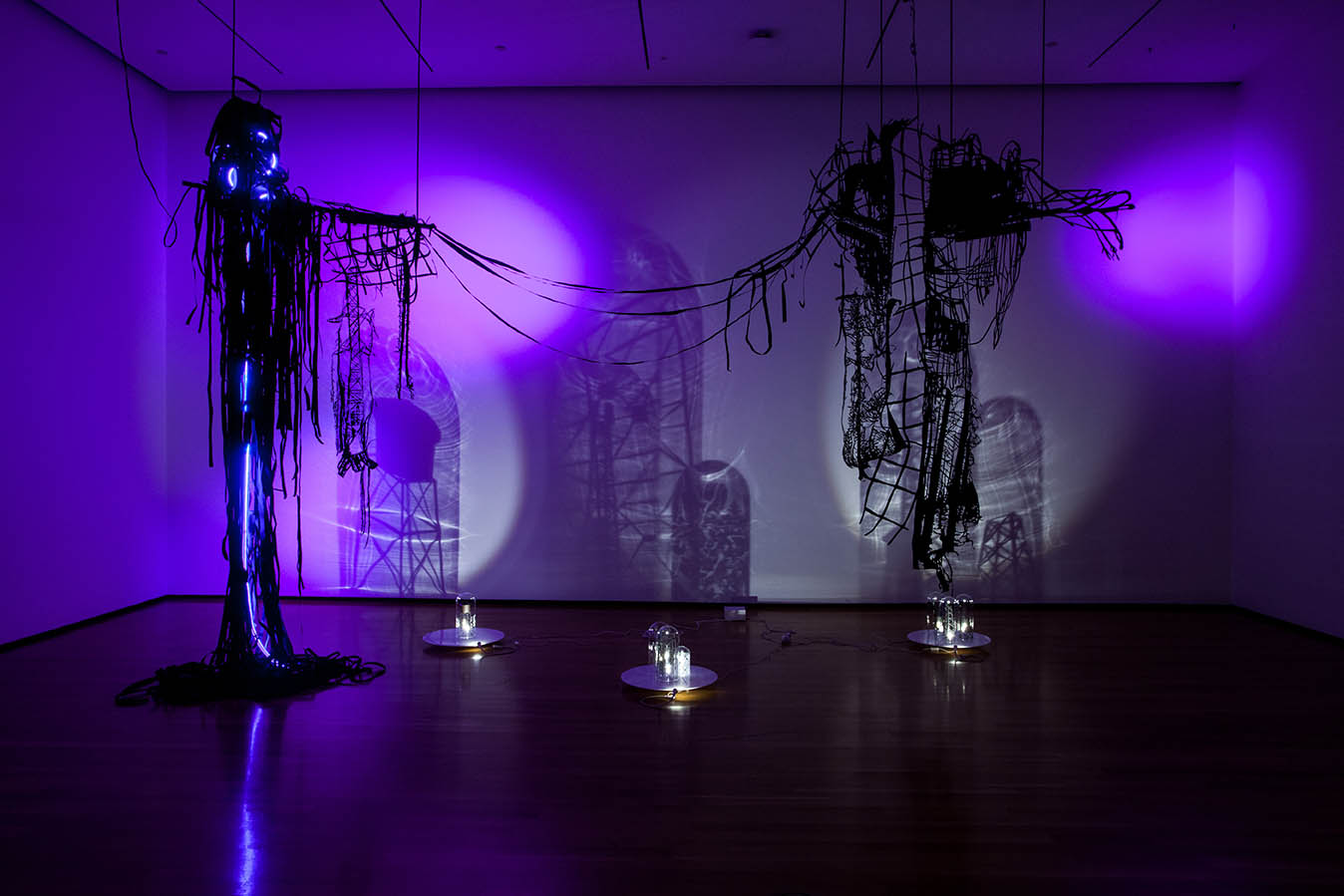
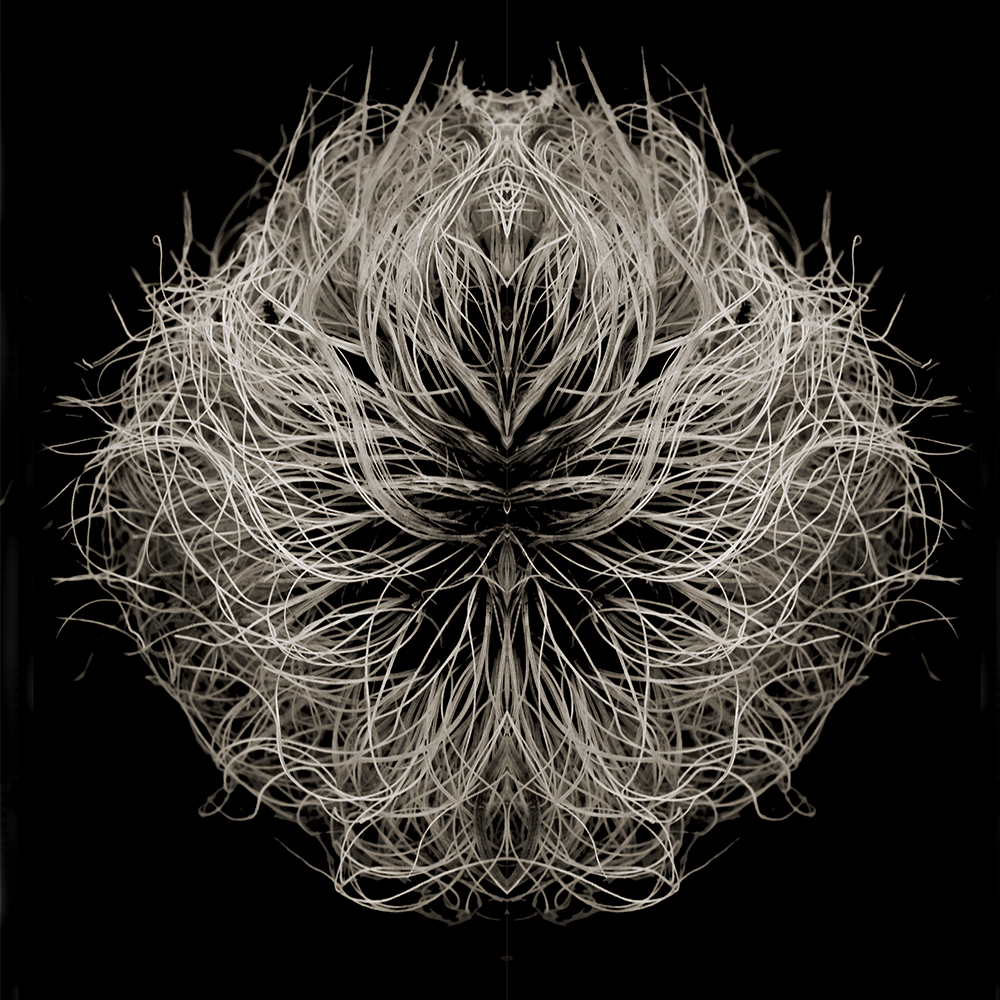
In my work, I reject reality: I react to landscapes without delivering them. Often, distant tropics unfold within my memory as bursts of unreliable truth—not as documentation, but as inhabitation, in a story of return. Seeking a more rooted understanding of place, I reverse-engineer my architectural background, breaking down memories and landscapes into unruly geometries and organic shapes. I often work in abandoned spaces—sites of industrial archaeology—finding comfort in the end-of-life of buildings, and in nature taking back what was once hers. Through this lens, I explore the tension between the organic and the constructed. Perspective and structure often emerge—a latent architectural instinct—but are disguised, erased, or diverted. The lines that once imposed order are dismantled. I reject their dominance—not to eliminate structure, but to transform it into something that resists boundaries and invites complexity. Geometry becomes a tool of subversion, questioning the stability of the frameworks that shape our sense of place. The paintings are almost always asking a question, rather than providing a definitive answer - or even a minimally figurative description of a resolution. By subverting and constructing painted realms, I reimagine my identity within the wider collective history, in a fragile return to the uncolonised land and culture, inviting the viewer for a dialogue about resistance and healing, power and decay of established architectures and cultural realms.