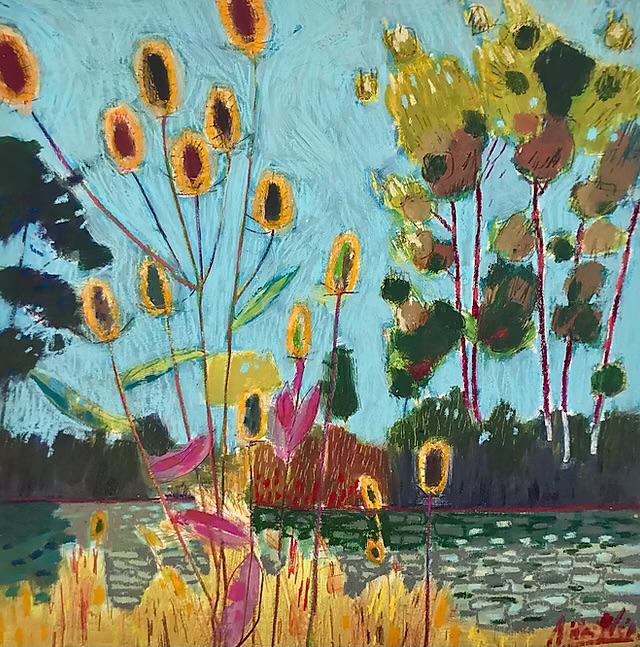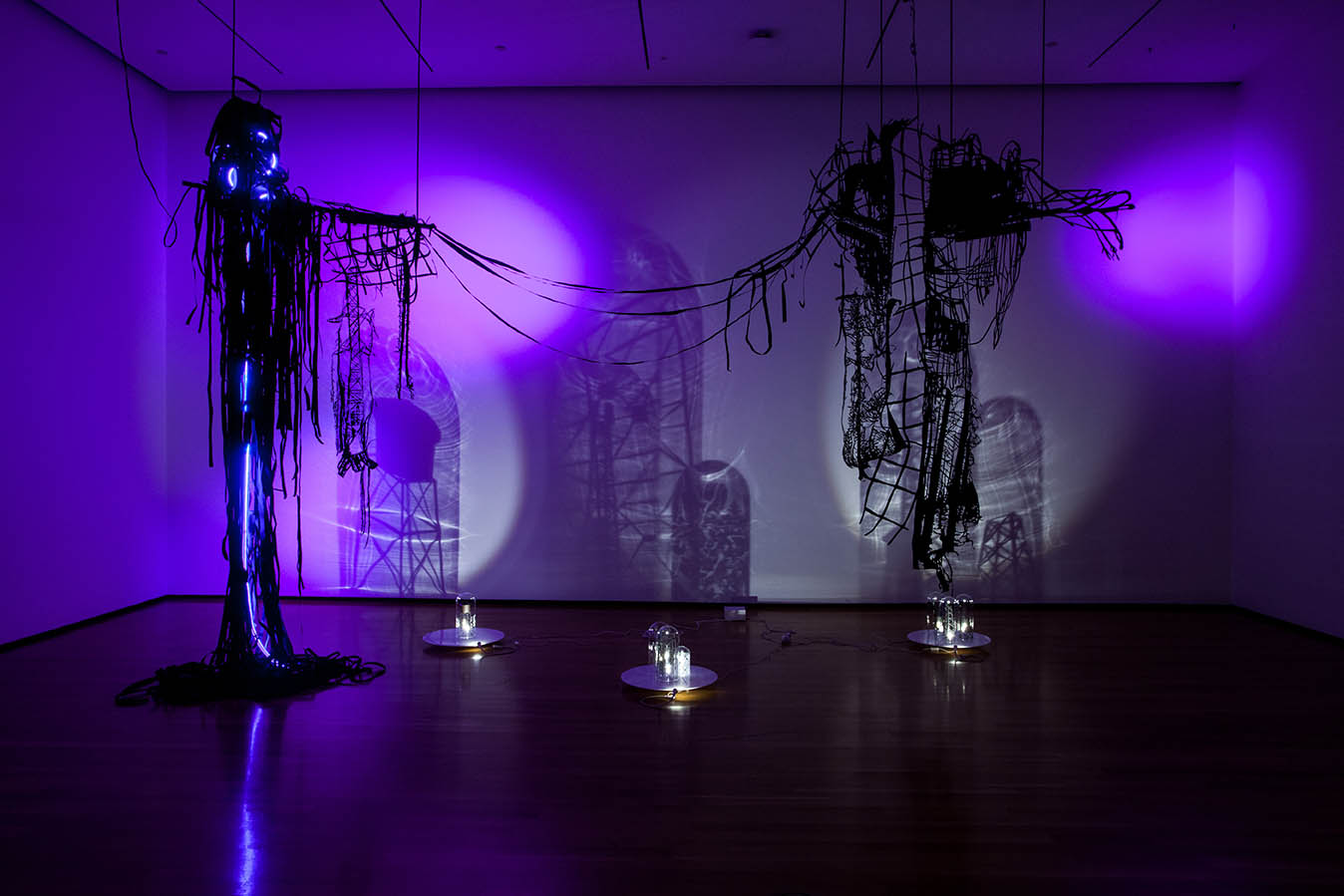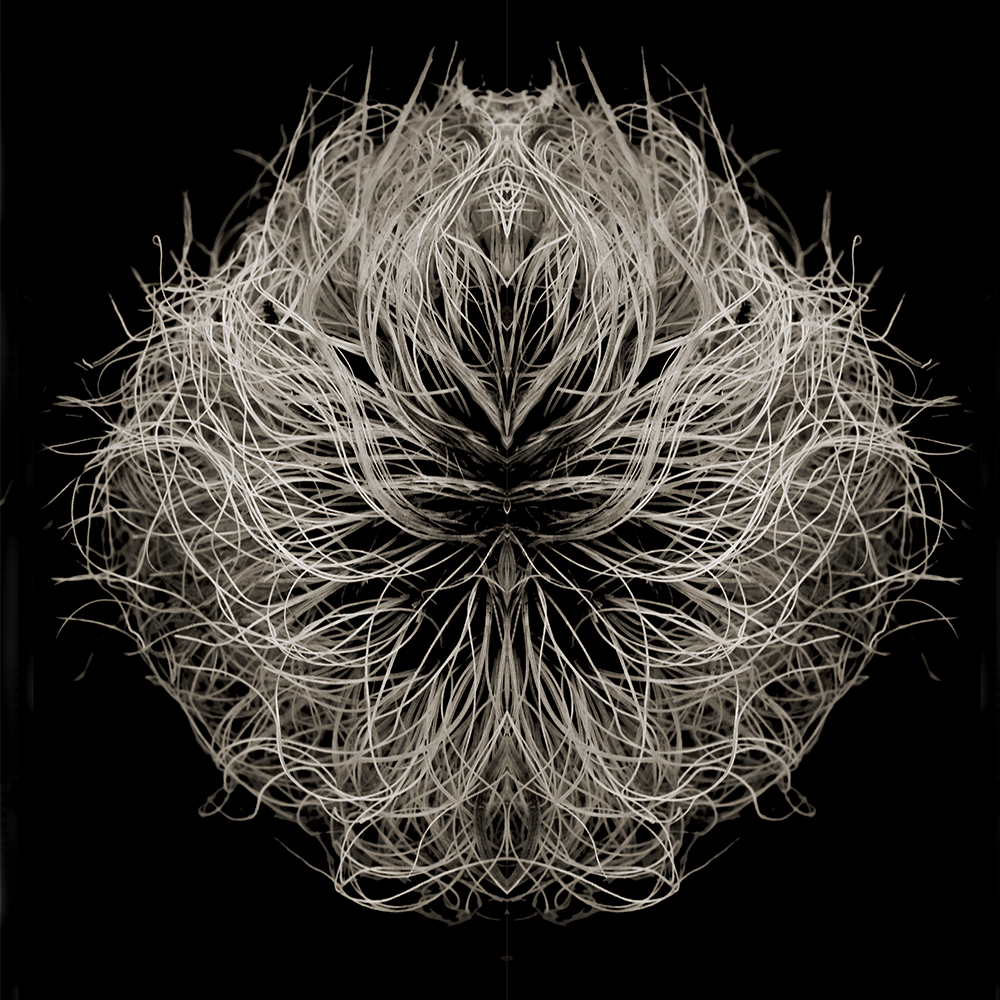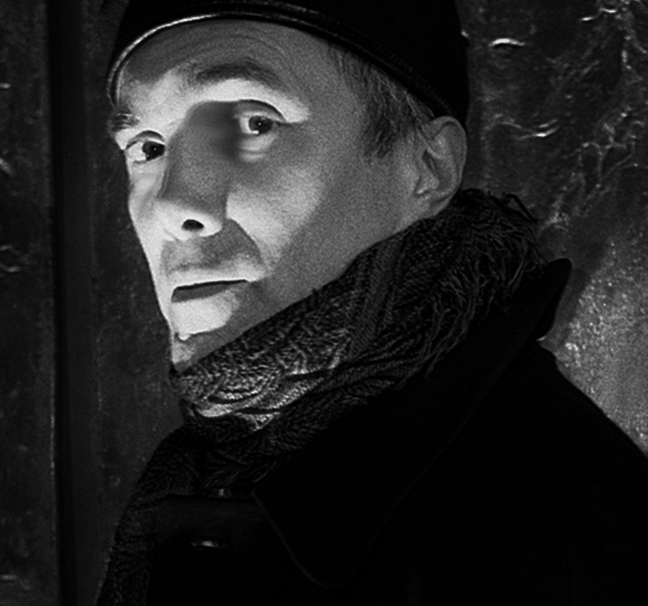
Eric Cato, submitted artwork
Eric Cato
Visual Art
I am an American citizen living in Medellin Colombia.
Eric Cato was born in Manhattan to creative parents and cannot remember a time when he and his siblings were not surrounded by art. He attended liberal-arts high-schools and then NYU School of Film & Television, the School of Visual Arts (Parsons), among others. “While I have had some formal photographic training, my father—a painter, photographer, graphic designer and art director— was my primary creative guide; he, books, and New York’s great museums.” While he’s worked in New York and Los Angeles as a commercial photographer, primarily in celebrity portraiture, publicity, and fashion, he has concentrated exclusively on his personal work since 2002. Cato’s abstract and narrative photographic images are found in the streets of cities he’s visited over the last two decades: “it’s fascinating, every city's street art has a distinct feel and palette.” In terms of printed images, Cato “strives for wall presence, and so when possible, I use a 4x5 format camera to capture the object in great detail which enables me to make archival prints as large as 2 meters high or wide.” Cato is a committed environmentalist and human rights activist and lives in Medellín, Colombia.
Works
Eric Cato, submitted artwork
My street photographs are of weathered surfaces, objects, graffiti, handbills, and paint found on walls, lampposts, doors and pavement in the streets of Brooklyn, New York, Havana, Los Angeles, Bogotá and Medellín, among others. Traditionally, nonrepresentational imagery has been the sole domain of painting. But, in the process of photographing a found surface or object and eliminating any reference to its physical context or size, what was transforms into something new that exists in an intangible realm of color, mood, energy and mystery. When printed, it transforms again into a new physical form—the found object. Although I use a camera to make the images, I believe that it is the final image that matters, not how it was made or whether it's a painting, a collage, or a photograph. I make images of commonplace—and consequently “invisible”—objects and surfaces as a means of fostering the alchemy of imagination.