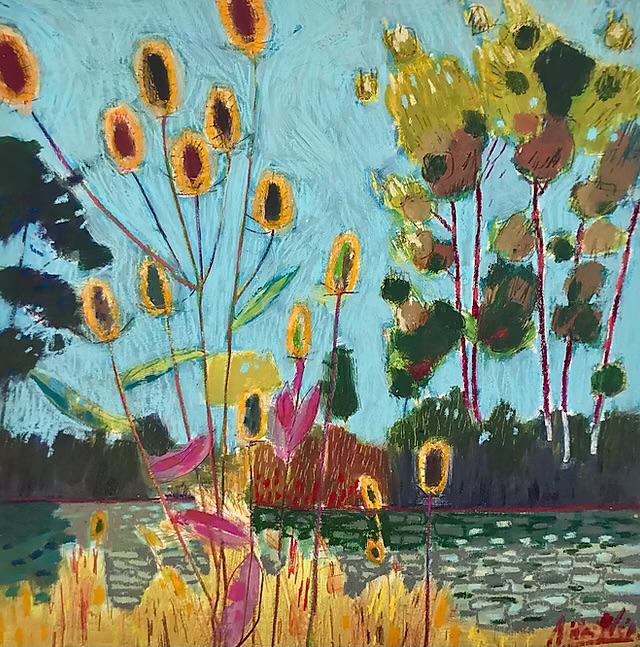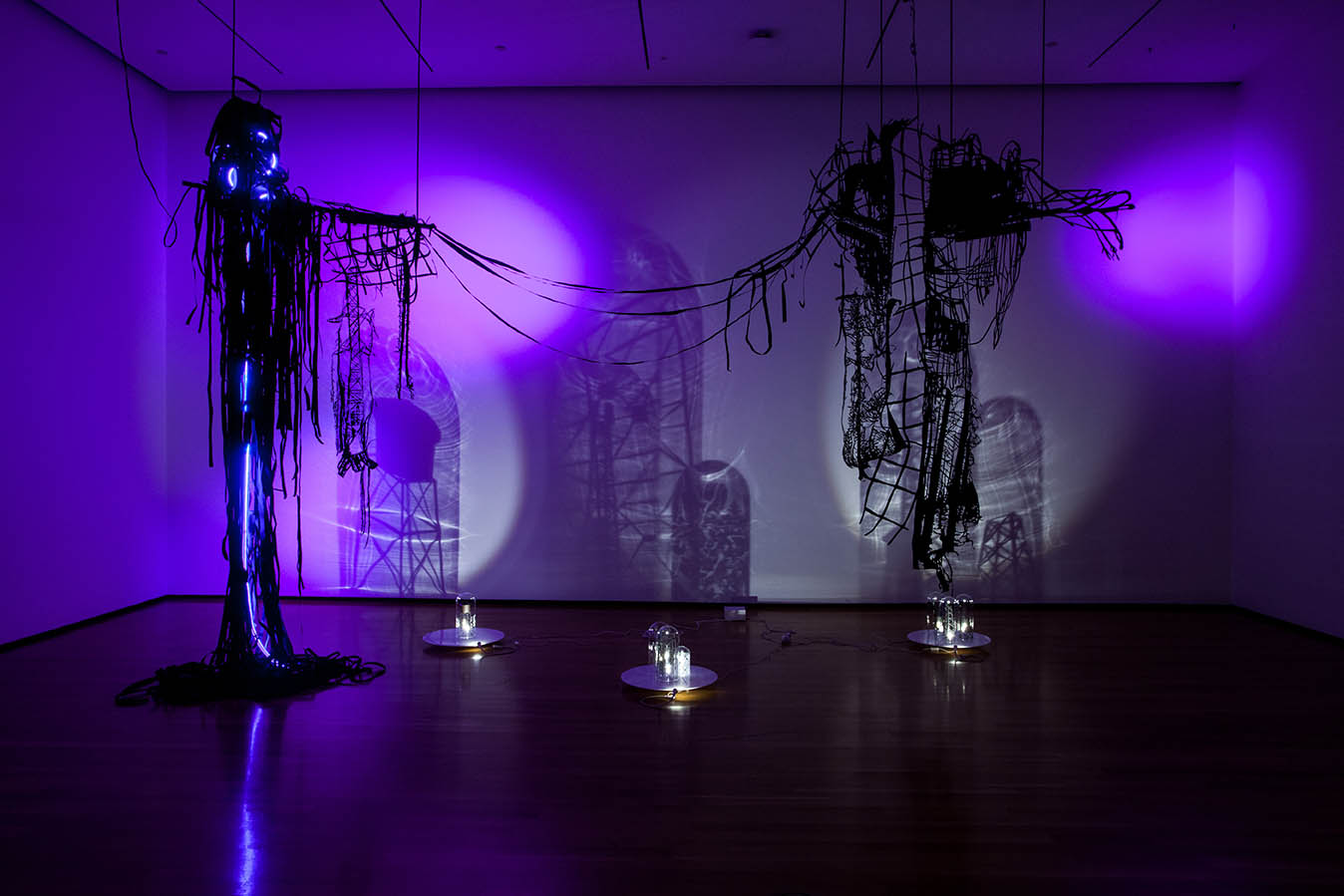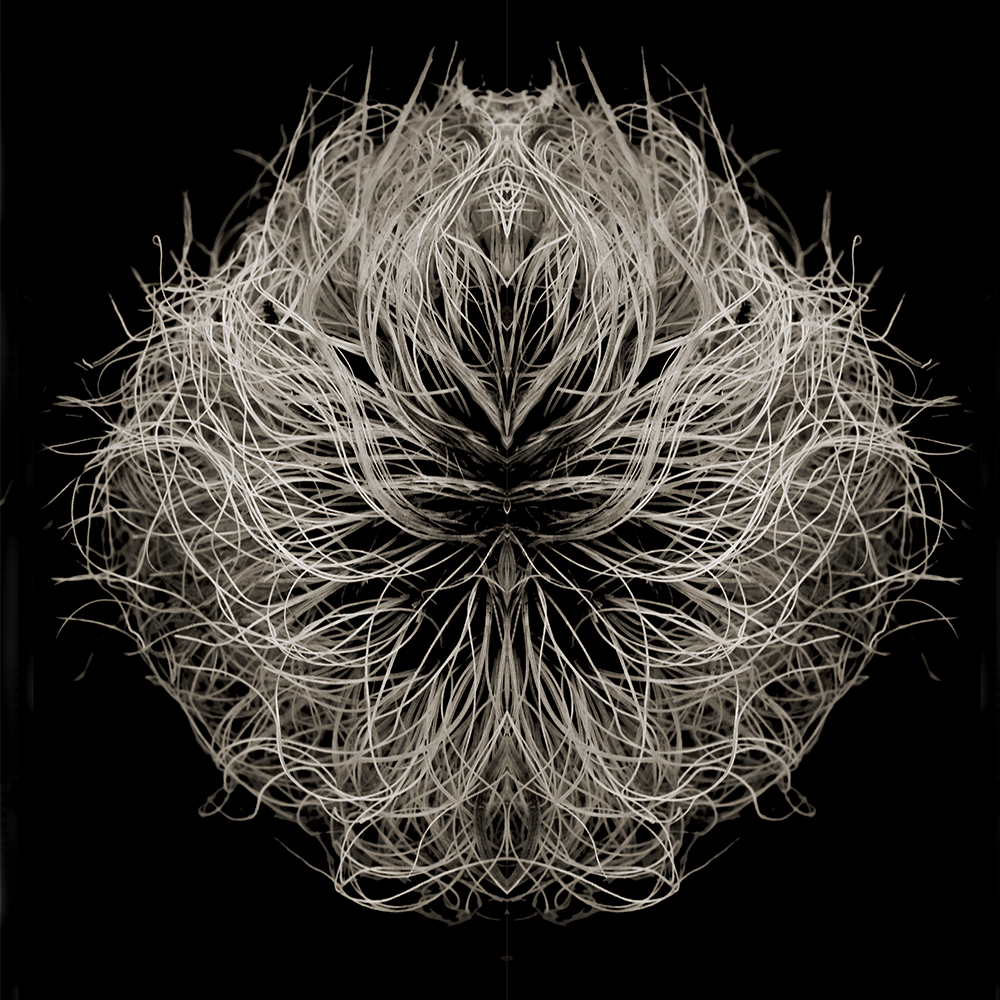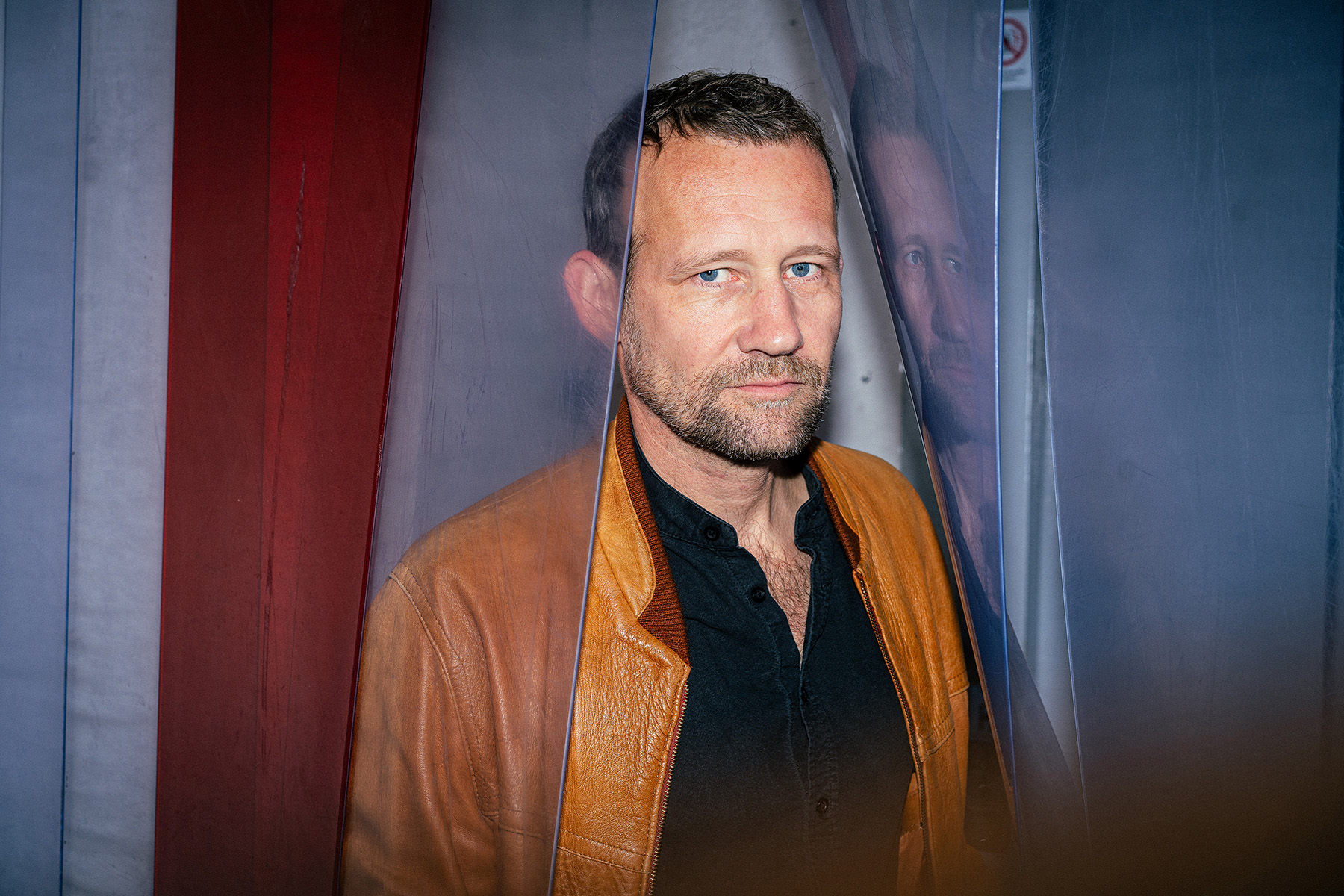
Frederick Vidal, submitted artwork
Frederick Vidal
Sculpture, Film
Berlin
Frederick Vidal (b. 1977) is a German-based artist working between Berlin and Hamburg. He studied Visual Communication at Kunsthochschule Kassel and was a master student in the class for Experimental Photography with Bernhard Prinz. His practice combines analogue large-format photography with AI-driven image processing, exploring how technical and organic materialities can be translated into urban and geological semantics. Vidal’s work investigates the shifting boundaries between reality, fiction and hyperrealism within computational environments and has been exhibited internationally, including in the exhibition reGeneration 2 – Tomorrow’s Photographers Today at Musée de l’Elysée, Lausanne.
Works
Frederick Vidal, submitted artwork
Photography is always the starting point of my work – as visual research, observation, and trace. I approach it as a method to explore material, social, and symbolic processes, often located at the peripheries of visibility: sites of infrastructure, landscape intervention, or urban transition. In recent years, I have incorporated digital tools such as artificial intelligence into my practice – not as autonomous agents, but as extensions of my photographic thinking. AI functions as a means of transformation: the image is not manipulated but reinterpreted. This shift opens up new visual spaces where reality, abstraction, and meaning are set into motion. At the core of my work is the question of how images generate significance – not only through what they depict, but through what they provoke. In series based on printed circuit boards, for example, I translate technical materiality into urban semantics: circuit paths become street grids, solder points resemble window structures. Documentary photography becomes a speculative topography of the visible. My practice operates in the tension between fact and fiction, between trace and transformation. It asks how photographic images – particularly when shaped by computational tools – can produce new orders of seeing. For me, photography is a space of inquiry where the material world, perception, and algorithmic thinking intersect.