Paulette Bensignor, submitted artwork
Paulette Bensignor
Painting
Bala Cynwyd, PA
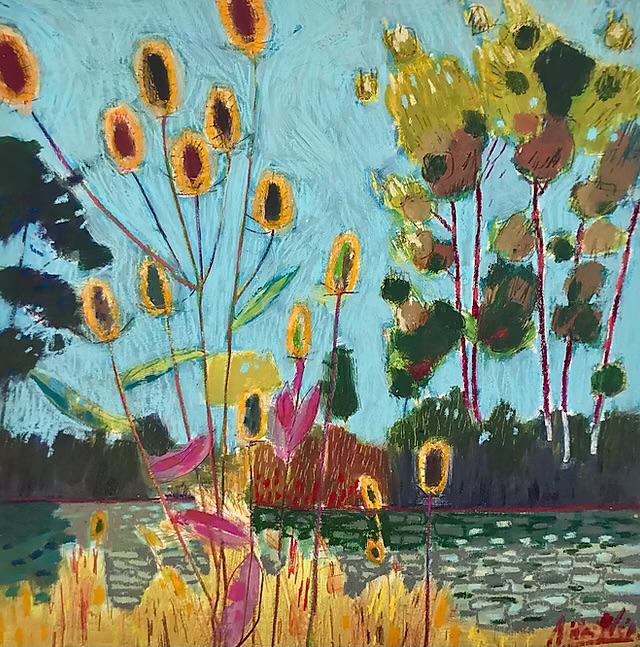
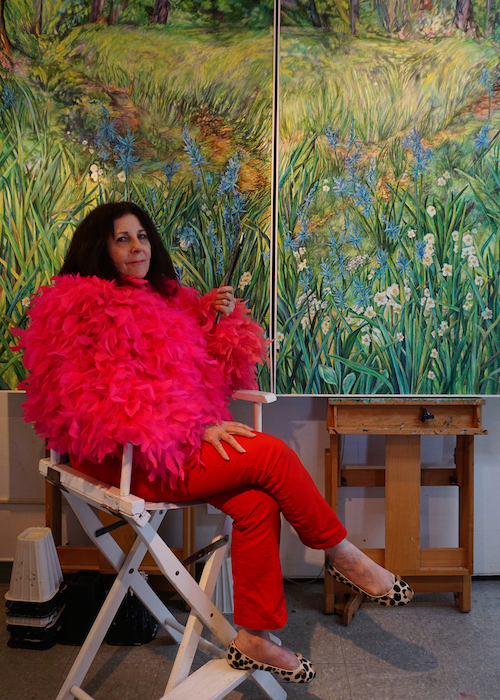
Paulette Bensignor is a contemporary hyper-realist painter whose work has brought international acclaim. Through the use of multiple techniques such as painting, printmaking, and sculpture, she creates work that combines abstract forms with realist shapes and stirs memories, secrets and symbolic meanings. The senior Curator at the Guggenheim Museum, Diane Wollman, described her work as “An example of an extremely original treatment of the landscape. The work sets itself apart from other artists by using many layers of lines and abstract forms.” Bensignor has shown her work since 1966 in prominent galleries in the United States, in public spaces, and in international exhibitions. She was included in many shows over the years at the Philadelphia Museum of Art, The Pennsylvania Academy of the Fine Arts, the Woodmere Art Museum, the Pennsylvania State Museum, and the Japan International Exhibits. In 2024, she won first prize for outstanding artist at the Fellowship of the Pennsylvania Academy of the Fine Arts 127th annual show, juried by Paul Efstathiou, director of Hollis Taggart Gallery. Bensignor has also been featured in Cosmopolitan magazine and the New York Times. Awarded scholarships to the Pennsylvania Academy of Fine Arts and the University of Pennsylvania, she earned a B.F.A. in 1970. She went on to pursue graduate work at Temple University, Tyler School of Art, Philadelphia, and the University of Paris, France.
Works
Paulette Bensignor, submitted artwork
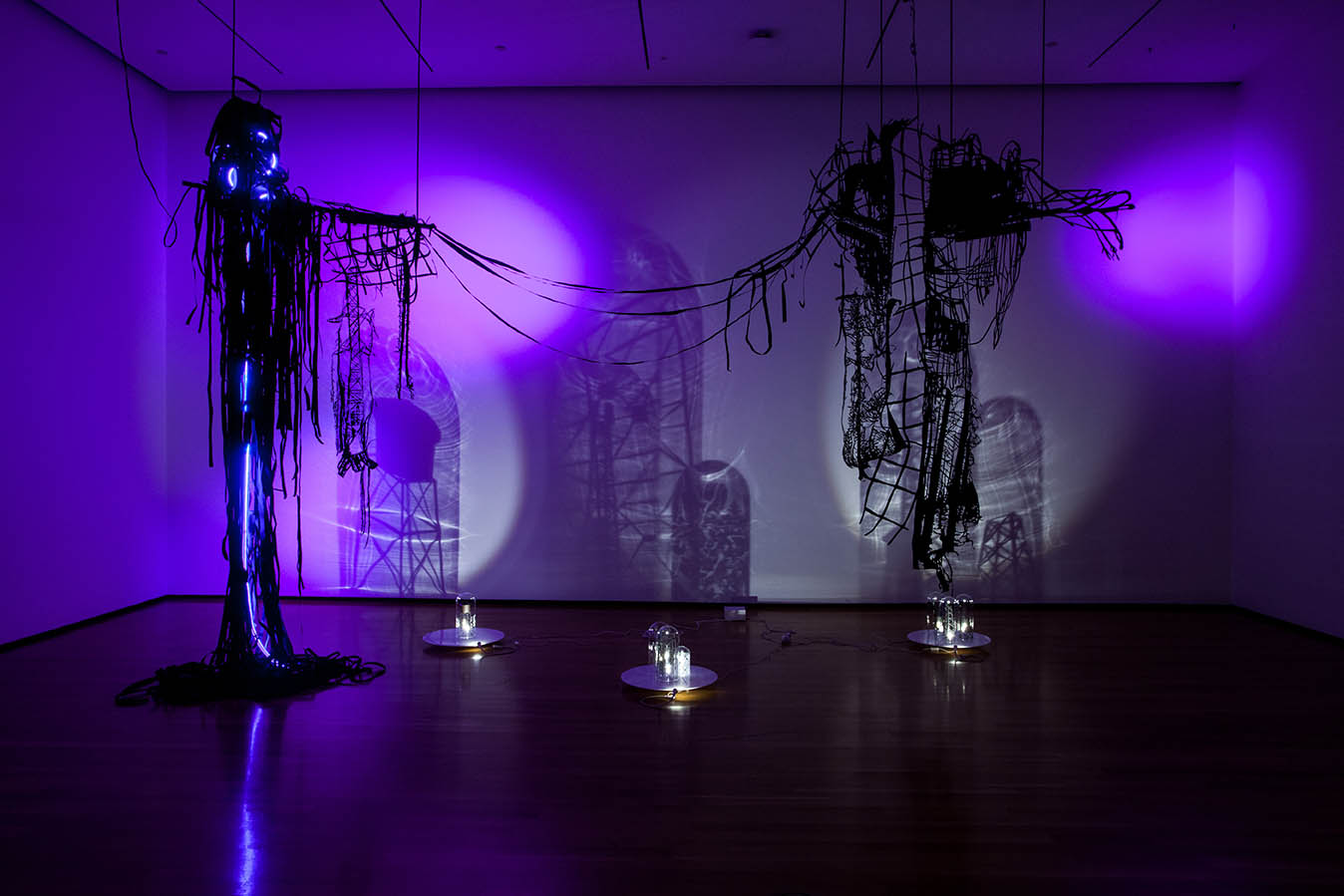
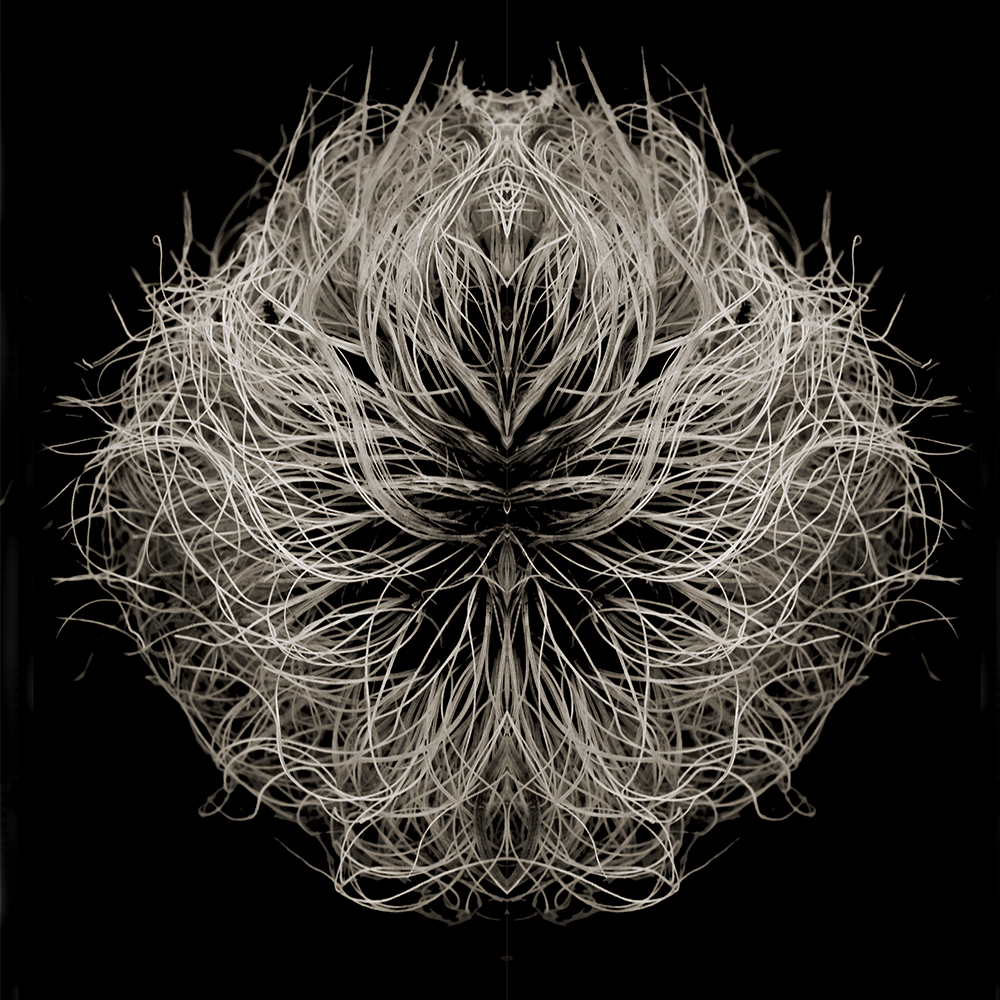
What I do is a physical and spiritual activity that draws on part of my subconscious. I work in various mediums, including painting on canvas, paper, or sculpture. At times, I carve into a surface, paint it, then print it on a surface with my Brant press. I start with an idea that develops through drawing lines. Next come color and form, guided by some universal knowledge. Often, the figurative representation of the shapes blends into an abstraction. To create additional compositional tricks, I use a combination of Eastern and Western perspectives. Currently, I am influenced by puzzles, and I use two panels for my oil paintings. Perhaps, they are symbolic of one’s self. The two canvases represent two sides of the brain, the intellect side and the feeling side, combined to achieve a whole self, vision, and balance. The paintings are intended to fit together. The interacting works are meant to move or be switched about to form more than one composition, revealing something new each time. My paintings use many layers of lines. They are ambiguous and are subject to change in meaning and form.