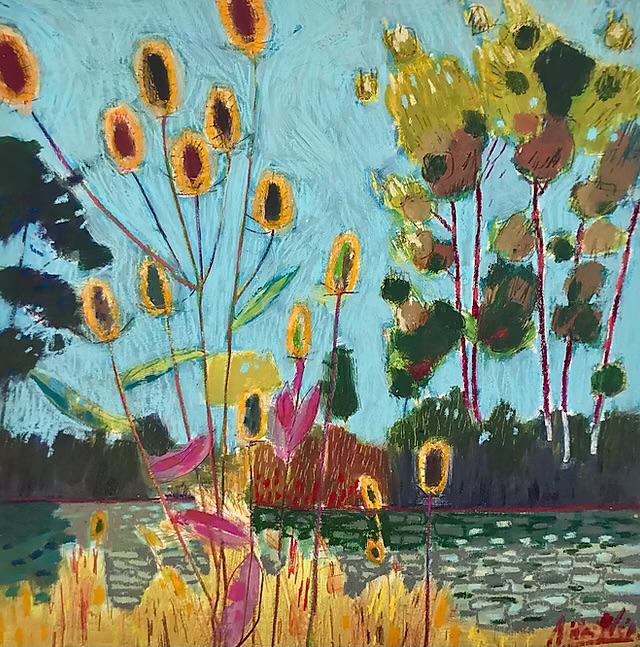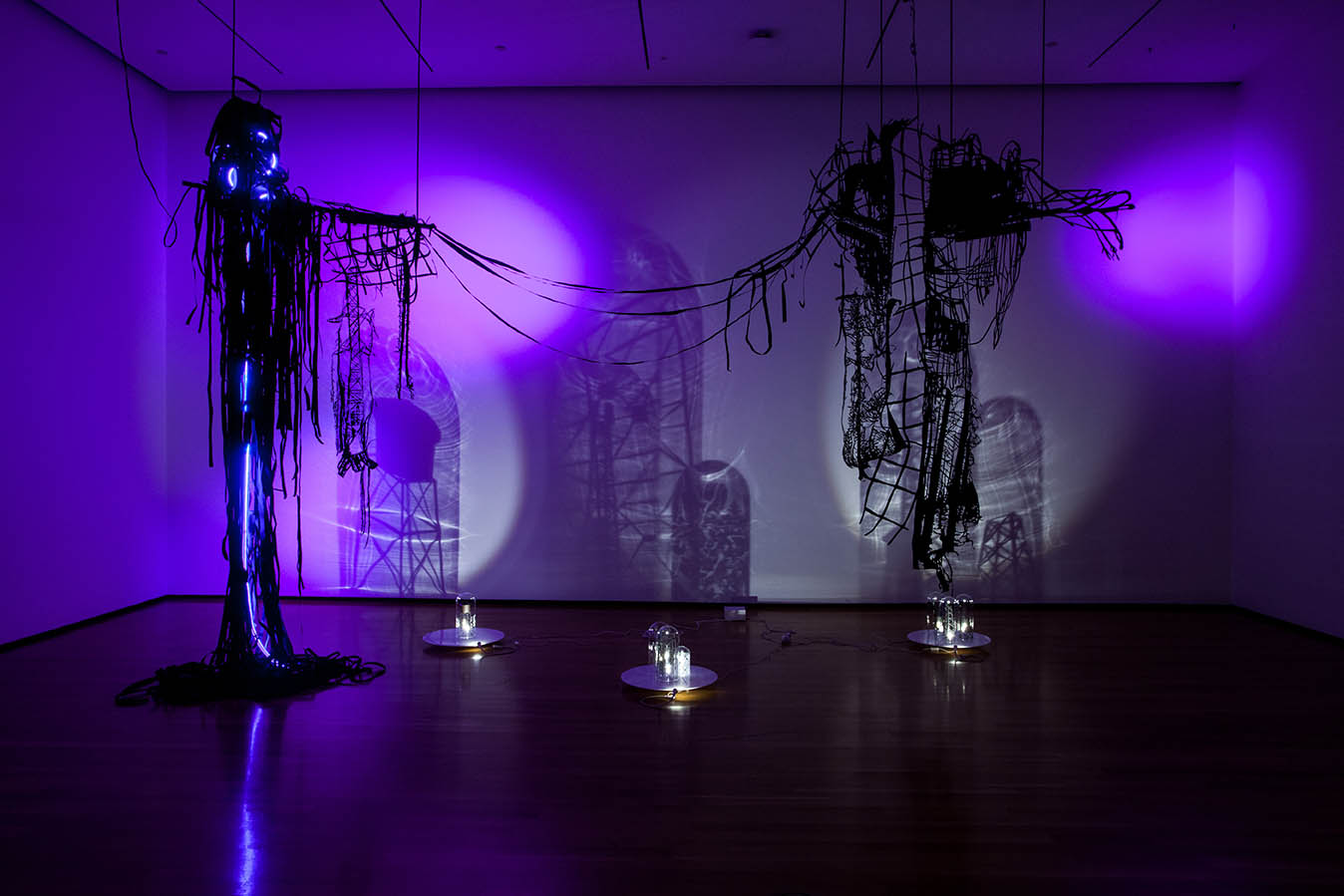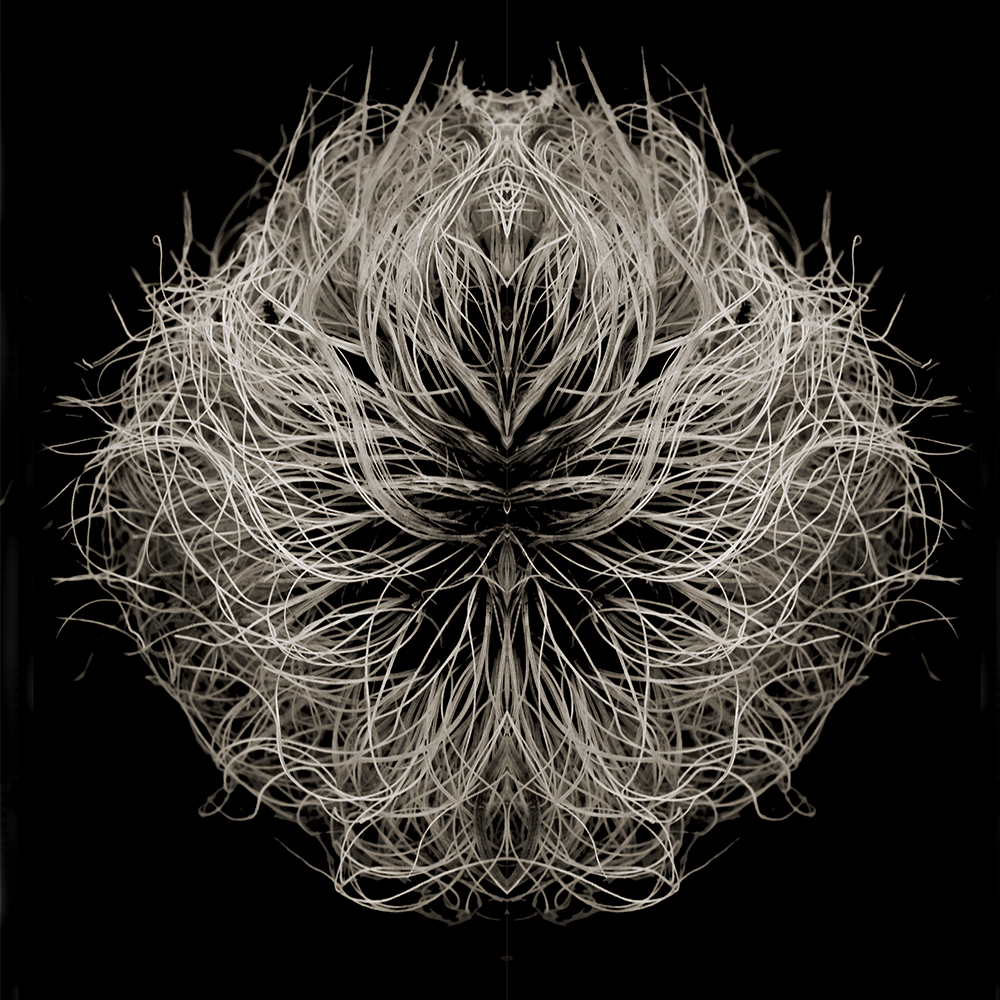
Poem Johnson, submitted artwork
Poem Johnson
Painting, Video, Film, Installation, Performance
Paris
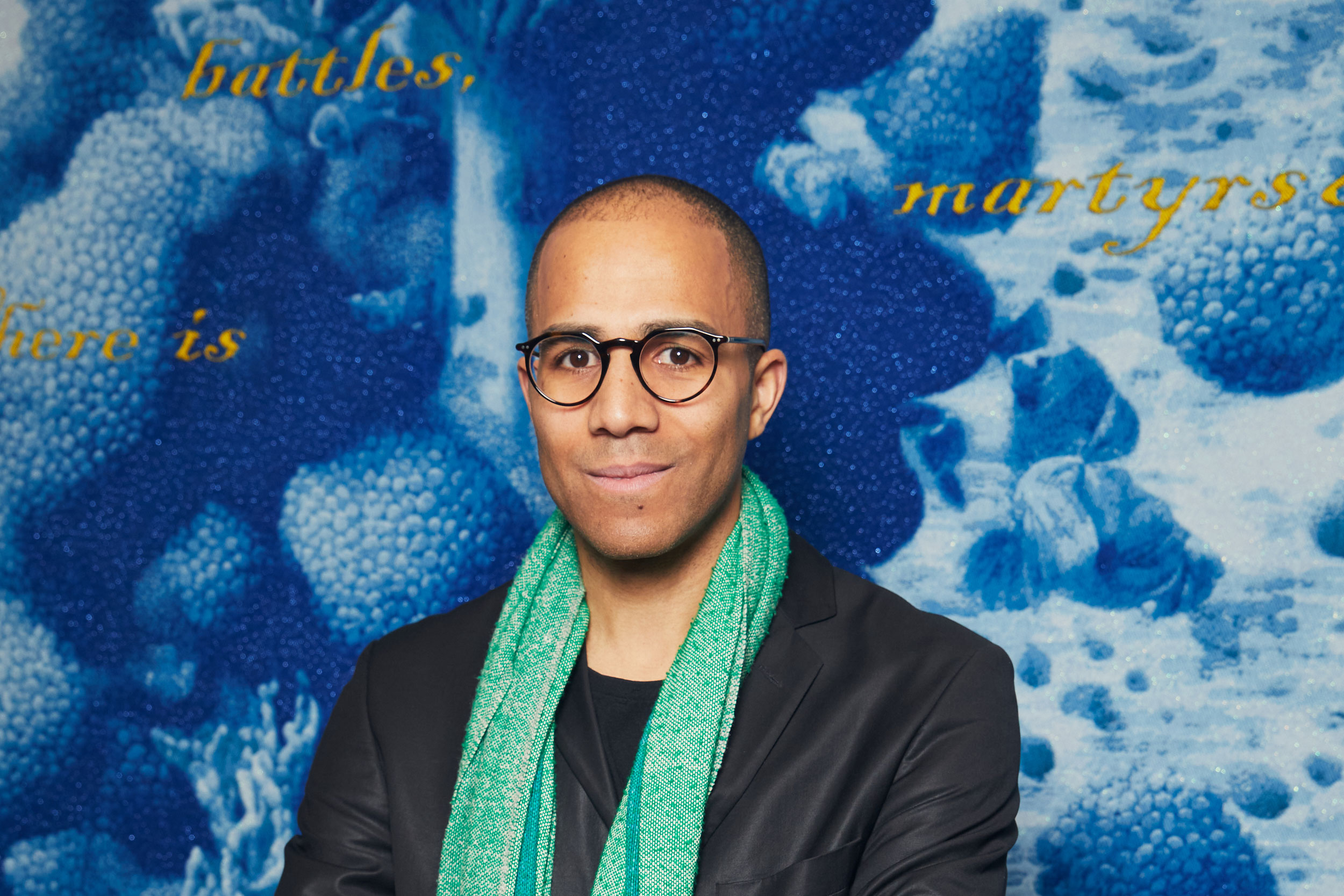
Marc Johnson is a French-Beninese award-winning visual artist and filmmaker whose work has been shown extensively around the world. Important individual exhibitions include The Jan Shrem and Maria Manetti-Shrem Museum of Art, UC Davis, United States (in collaboration with the Kramlich collection); La Maréchalerie, Contemporary Art Center, Versailles, France and The Zentrum fur Medienkunst, (Werkleitz Gesellschaft e.V.), Halle, Germany. Marc Johnson has participated twice to the Sundance Film Festival, twice to the Biennale of Moscow for Young Art, the Berlin International Film Festival, Berlinale Shorts, The Yvonne Rainer Project at the Galerie Nationale du Jeu de Paume in France, Ligne of Chance at Fondation Ricard in France, and more than 50 International Film Festival worldwide. He received the LVMH Young Artist Award in 2009, was awarded The Jean-François & Marie-Laure de Clermont-Tonnerre award, the Best Short Film Award from the Las Palmas International Film Festival de Gran Canaria in 2016, the Cornish Family Prize for Art & Design Publishing from the National Gallery of Victoria, Melbourne in 2017 and the Best Short Film Award from the 10th Annual Milwaukee Film Festival in 2018, among awards and accolades. Marc Johnson is currently a Ph.D. candidate (2021-present) in the Film and Media department of the Stockholm University of the Arts in Sweden.
Works
Poem Johnson, submitted artwork
The drive in my artistic practice is to trace the dynamics of postcolonialism and uneven distribution of power as played out between humans and other agents such as animals, landscapes, machines, and networks. I often perform extensive research on records in national collections and digital archives, investigating forgotten and/or overlooked histories such as whaling in the 1920s in the British Overseas Territory of South Georgia and the South Sandwich Islands or the 1971 Attica prison riot (a historical event in prisoners’ rights movement in the United States). This archival research practice transforms into time-based works, including videos, installations, and printed books. Persistent methodologies include re-montage of lost or refound films, re-telling of ancient fables and rituals, and restaging of archival documents. Because of this, the “re-” of remembering and recirculating is a central focus of my work. In my tapestry works, which often pertain to the history of art and the politics of representation, textures, materials, colors, and figures become the primary concerns.