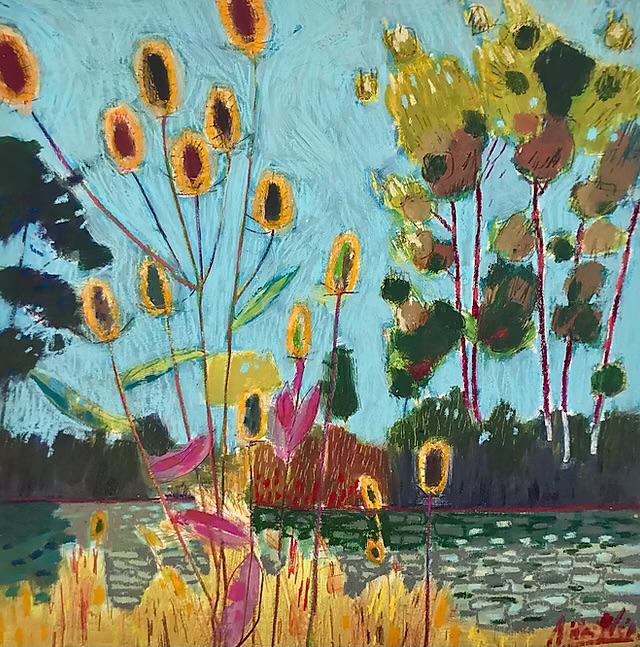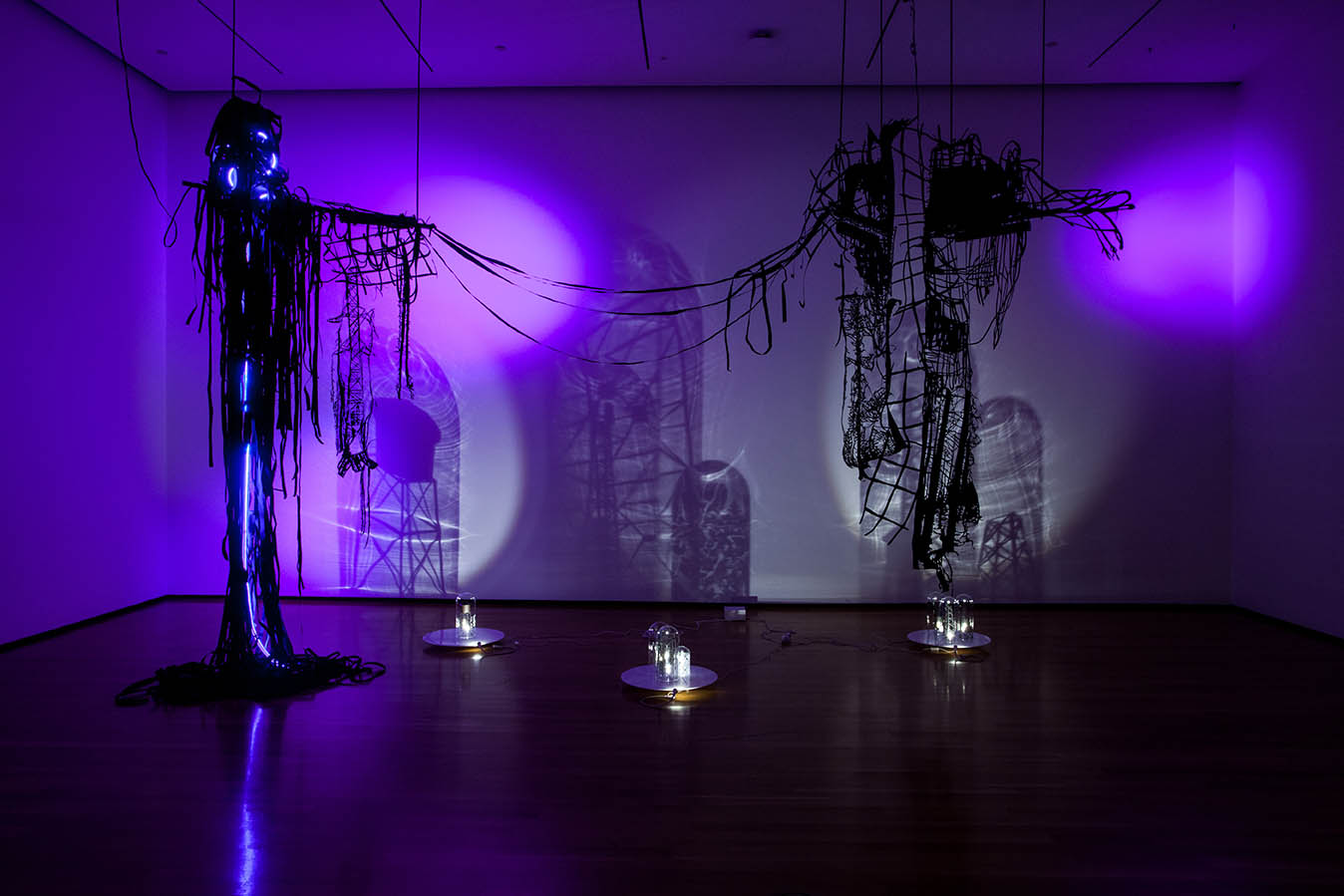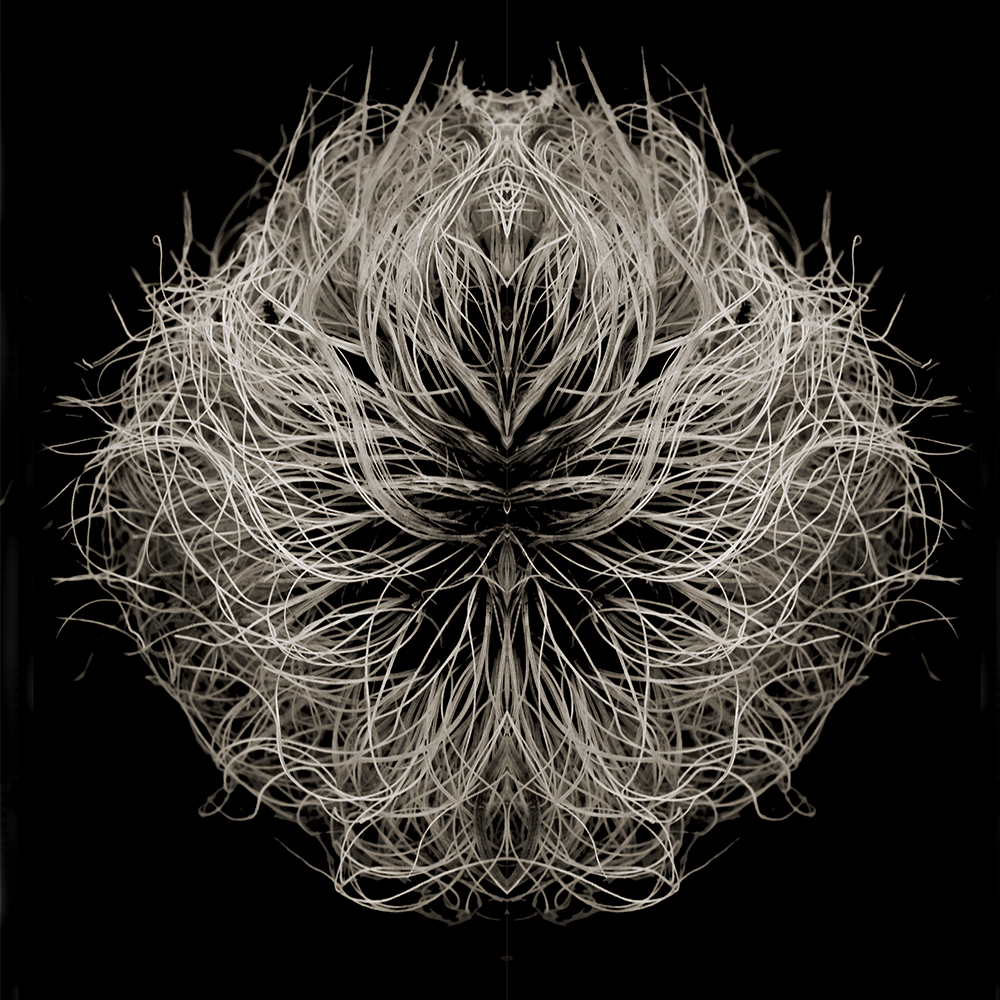
Valerio Murri, submitted artwork
Valerio Murri
Painting
Viareggio, Italy
Valerio Murri was born in 1968 in Viareggio, Italy. He lives and works in Viareggio. After attending Grammar School, he graduated in Political Science at the University of Pisa. During university he started taking painting classes at what once would have been called a “free school” of painting and drawing. He has been exhibiting since 1999. He has had several solo and group shows, both in public and private spaces, and has taken part in Italy’s major art fairs. In 2001 he won the Arte Mondadori award. In 2003 he was invited to the Cairo Communication Award. In 2006 he was ranked among the 100 young Italian emerging artists by Flash Art magazine. He has had reviews on Arte, Flash Art, Tema Celeste, Arte e Critica, Exibart. Though through years he has worked also with photography (including polaroid) and sculpture, these days he is only interested in painting and in its, as he puts it, conceptual counterpart, drawing. Whereas painting is more atmospheric, sometimes dirty, and can incorporate some disturbing elements (erasures, blurring), the drawings are cleaner, more detailed, and are often accompanied by captions and shown as an installation. As for painting, he believes that at a time in which its practice might be seen as an impossible task, trying to reaffirm its possibility has paradoxically become a necessity. He is trying to create a body of work having its reason to be in itself, but avoiding falling into formalism or self-referentiality too.
Works
Valerio Murri, submitted artwork
Sometimes I see my paintings and drawings as the consequence of being an only child and my practice as the continuation, by other means, of afternoons spent playing alone in my bedroom. That some of my works are based on toy models might be no coincidence. Through the years, I have also worked with photography, including Polaroid, and sculpture. Today I am only interested in painting and its, as I like to put it, conceptual counterpart, drawing. Whereas painting is more atmospheric, sometimes dirty, and can incorporate some disturbing elements (erasures, blurring), drawings are cleaner, more detailed, often accompanied by captions and shown as installation. Most of the source material for my paintings comes from newspaper and magazine cuttings, pictures taken from books, pictures I’ve taken and drawings of mine. I photocopy these several times, diminishing their definition, then figure out their places on the blank surface of the canvas. For smaller size work, I generally paint isolated figures. As for the bigger ones, the composition looks almost collage-like. I play with scale, creating unsettling scenes, moving among religious imagery, scraps of romantic landscape, toys, dolls, everyday objects, as if painting my way through the death of the work itself.