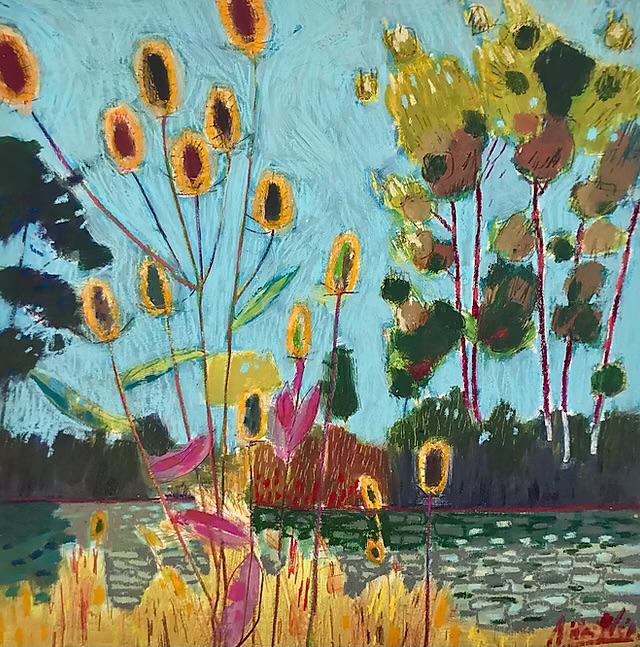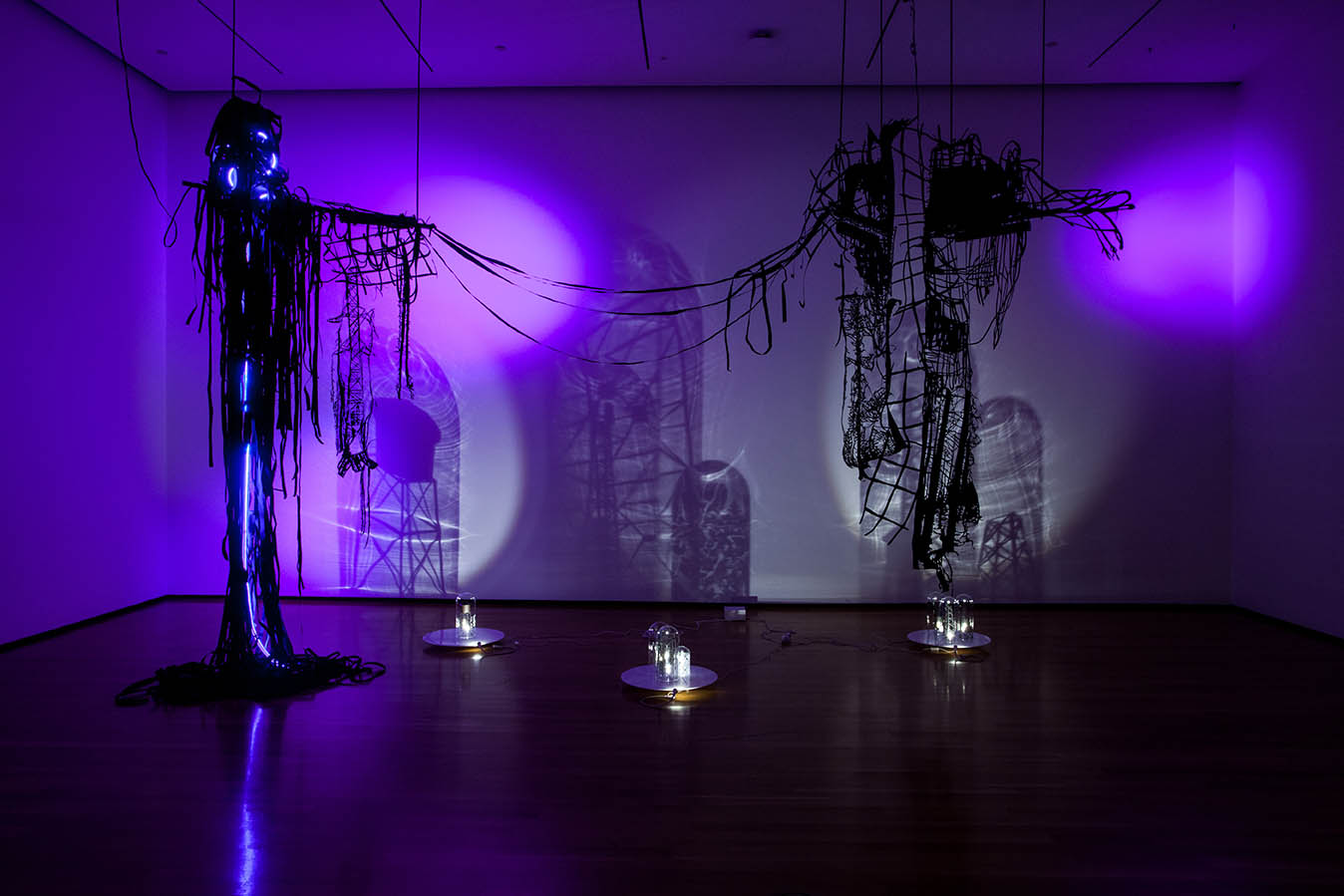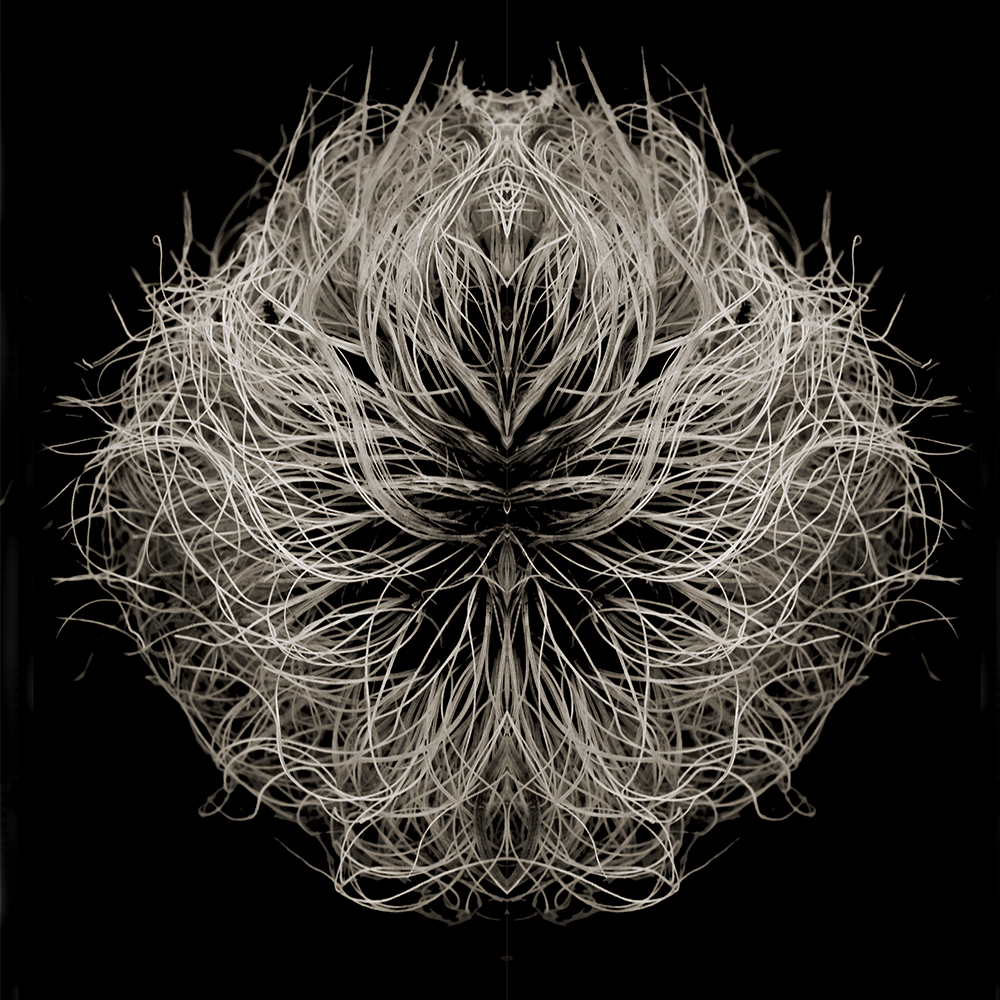
Volker Behrend Peters, submitted artwork
Volker Behrend Peters
Painting
Munich Germany
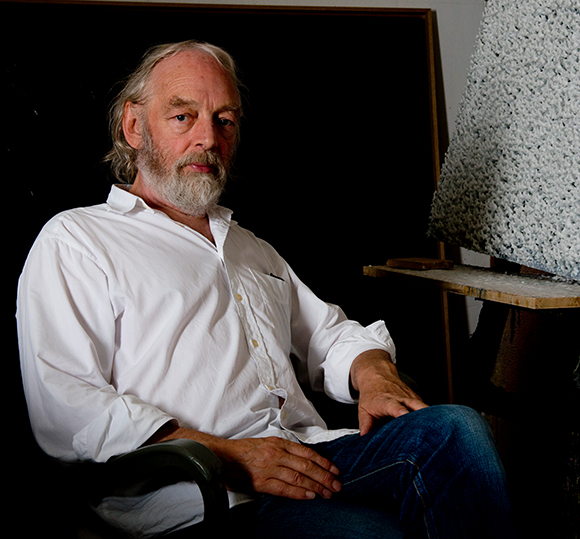
Volker Behrend Peters (b. 1951, Germany) is a visual artist whose primary medium is paraffin wax, which he uses to create intricate, fluid forms shaped by the laws of physics and the unpredictable behavior of materials. He studied Fine Arts at the University of Arts in Bremen from 1970 to 1974, followed by extensive travels through Europe and Asia. He returned to Bremen to complete his painting studies, graduating in 1982. Since 1978, Peters has exhibited his work annually, with a consistent presence in galleries and institutions across Germany and internationally. His recent exhibitions include REAL (Goldberg Galerie, 2023), Beat the System! (Ludwig Forum, Aachen, 2021), and Context (Art Basel Miami, Galerie Benjamin Eck, 2019). He has participated in multiple group shows at Kunstverein München, whiteBOX München among others. Peters' work is grounded in the tension between order and chance, drawing inspiration from mathematical structures such as Penrose tilings and Fibonacci sequences. The fragility and impermanence of paraffin wax are not treated as limitations but as central to the meaning of his practice, reflecting the transience of natural systems and human experience. He lives and works in Munich, where he remains an active member of the contemporary art scene, most recently participating in Day of the Art of Printing (UNESCO World Heritage, 2025) and ongoing exhibitions at whiteBOX.
Works
Volker Behrend Peters, submitted artwork
I work with paraffin wax because it resists control. It flows, shifts, responds to gravity and heat, and often surprises me. I don’t try to dominate it. Instead, I collaborate with its physical properties, using the laws of physics as co-authors in shaping intricate, often organic forms. Each piece evolves through a tension between structure and chance. I’m drawn to the logic of systems—Penrose tilings, Fibonacci spirals and the inner structured order of chaotic distributions. These patterns appear throughout nature, and they reflect the kind of complexity I try to cultivate in my work. I plan carefully, but I also leave space for accidents. That edge of unpredictability is where the most interesting things happen. For me, painting is a language beyond words. The works are not meant to explain something; they are expressions of thought in form—silent, layered, and unfolding slowly. The fragility of the wax is not a flaw. It’s part of the meaning. Each piece holds the tension between delicacy and persistence. I understand that the market may see fragility as a problem. I don’t. For me, the quality of the material mirrors the nature of existence, its —complex, temporary, and beautiful in its instability, but it survives centuries as seen in the Fayoum Portraits of ancient Egypt, made of wax. Still these works are about permanence and about presence. What I make invites close attention. It asks for patience.